OEM vs ODM Apparel Manufacturing: Which One Is Right for Your Brand?
As apparel brands face rising costs, shorter trend cycles, and tighter margins in 2025, choosing the right manufacturing model has become a strategic decision. One of the most common questions brands ask is:
Should I work with an OEM or an ODM apparel manufacturer?
While both models are widely used in the global apparel industry, they serve very different brand needs. This guide explains the differences between OEM and ODM apparel manufacturing, supported by real industry practices, data-driven insights, and practical decision criteria.
What Is OEM Apparel Manufacturing?
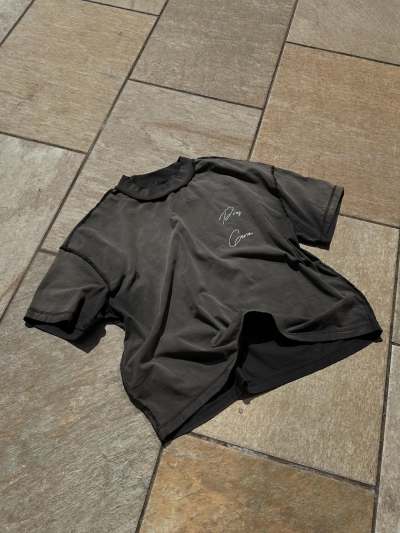
OEM (Original Equipment Manufacturer) apparel manufacturing means the brand provides the design, specifications, and branding, while the factory focuses on production execution.
In an OEM model, brands typically control:
• Garment design and silhouette
• Fabric specifications and sourcing direction
• Fit standards and size grading
• Branding elements such as labels and packaging
OEM manufacturing is commonly used by:
• Established brands with in-house design teams
• Brands with detailed tech packs
• Companies seeking high product differentiation
Manufacturers like Artisan Casual support OEM clients by translating brand designs into consistent bulk production, ensuring accuracy from sampling to shipment.
What Is ODM Apparel Manufacturing?
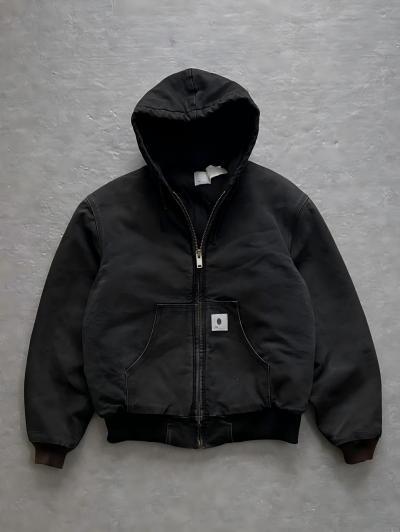
ODM (Original Design Manufacturer) apparel manufacturing means the factory provides ready-made or semi-custom designs, which brands can adapt with their own branding.
In an ODM model, the manufacturer typically offers:
• Pre-developed styles and patterns
• Proven fabric and construction options
• Faster sampling timelines
• Lower development costs
ODM is often chosen by:
• Startups entering the market quickly
• Brands testing new product categories
• Buyers with limited design resources
ODM apparel manufacturing reduces development risk, especially for brands focused on speed and cost efficiency.
OEM vs ODM: Key Differences Explained
| round necks polo | OEM Manufacturing | ODM Manufacturing |
| Design Ownership | Brand-owned | Factory-owned |
| Time to Market | Longer | Faster |
| Development Cost | Higher | Lower |
Customization Level | High | Medium |
Brand Differentiation | Strong | Moderate |
Risk Level | Higher | Lower |
Understanding these differences helps brands align manufacturing strategy with business goals.
How to Choose Between OEM and ODM for Your Brand
Choose OEM If:
• You have a clear brand identity and design vision
• Product uniqueness is a competitive advantage
• You plan long-term product lines
• You want full control over fit and materials
Choose ODM If:
• You want to launch quickly
• You are testing new markets or categories
• You want to reduce upfront development costs
• You need proven, production-ready designs
Manufacturers like Artisan Casual support both models, allowing brands to switch or combine OEM and ODM as they scale.
Why Manufacturer Capability Matters More Than the Model
Regardless of whether it is an OEM or ODM, the manufacturer's capability ultimately determines success.
Key factors include:
• Product category specialization
• Sampling accuracy
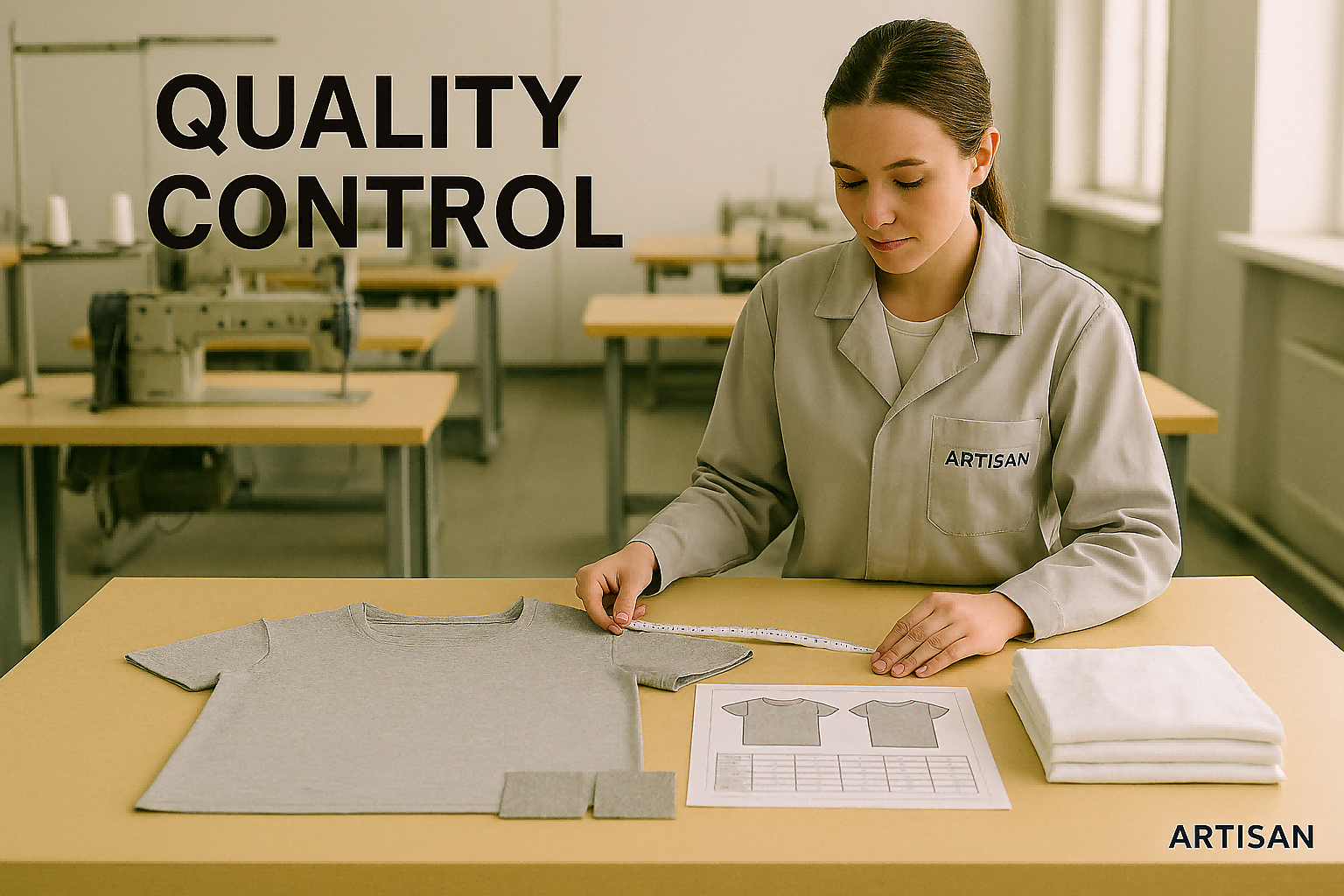
• Quality control systems
• Communication efficiency
• Scalability
Artisan Casual specializes in casual wear and pants manufacturing, providing OEM, ODM, and private label services within a single production system—offering brands flexibility as they expand.
Not Sure Whether OEM or ODM Is Right for You?
Artisan Casual supports brands with flexible OEM and ODM apparel manufacturing, from sampling to bulk production.
👉 Contact Artisan Casual to discuss your brand goals and find the right manufacturing model.